
This dog harness for small dogs and everyday walking guide compares fit, comfort and key safety details before you choose a product. A harness should fit your individual dog’s body shape, stay comfortably in place and allow natural shoulder movement. A harness that looks good in a product photo may not fit your dog.
For a U.S. sizing check, measure your dog’s chest girth in inches and use the exact brand’s size chart. A weight range in pounds is only a guide and should not replace the chest measurement.
Use this checklist to compare harnesses before buying. Fit varies by brand and design, so always follow the manufacturer’s measuring guide and adjustment instructions.
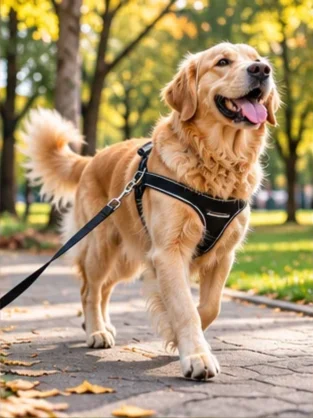
1. Measure before choosing a size
Do not choose a harness by weight alone. Many brands use chest girth, neck circumference, or both. Use a flexible measuring tape and follow the exact points shown in the brand’s size chart. Measure while your dog is standing naturally, keep the tape level, and record the measurement rather than estimating from breed or age.
If your dog falls between sizes, consult the manufacturer’s guidance. Different harness shapes fit differently, so moving up or down a size without checking the adjustment range may not solve the problem.
2. Compare harness styles
Step-in, overhead, vest-style, and strap-style harnesses each have different fastening methods and coverage. A step-in style may be easier for some dogs to put on, while an overhead design may suit dogs comfortable with gear being placed over the head. Vest styles can offer broader contact areas, but fit and breathability depend on the model. Think about your dog’s comfort with handling and how easily you can secure every buckle.
3. Understand leash attachment points
Some harnesses have a back attachment, some have a front attachment, and some offer both. Attachment placement changes how the leash connects to the dog and how the harness is intended to be used. Read the manufacturer’s instructions and ask a qualified force-free trainer or veterinarian for help if you are managing strong pulling, reactivity, or a dog that backs out of equipment. No harness should be treated as escape-proof without evidence for your particular dog and fit.
4. Check adjustment points and fit
Look for enough adjustment to fit the chest and neck without leaving long loose straps or pressure points. After fitting, check that the harness does not rub behind the front legs, restrict normal movement, or sit across a sensitive area. It should not be so loose that your dog can step out or back out of it. Follow the brand’s fit guide and recheck the fit as your dog grows or changes shape.
5. Inspect fabric, stitching, and hardware
Review the webbing, stitching, buckles, rings, and adjustment sliders. Consider whether the material is appropriate for your climate and walking routine, whether padding can be cleaned, and whether the hardware is easy to operate securely. Reflective details may improve visibility when light is low, but they do not replace a light, safe route, or other visibility measures.
6. Make putting it on part of the decision
A harness can have excellent specifications but still be a poor practical choice if it is difficult to put on your dog. Consider buckle positions, whether it opens wide enough, and whether your dog tolerates the handling required. Introduce new equipment calmly and reward relaxed participation rather than forcing it onto a worried dog.
Dog harness buying checklist
- Measure chest and neck exactly as the brand instructs.
- Compare the size chart and adjustment range, not just the weight range.
- Choose a style your dog can comfortably wear and you can fasten correctly.
- Understand where the leash clips and how the maker intends the harness to be used.
- Check for rubbing, pressure, restricted movement, and possible escape gaps after fitting.
- Inspect stitching, buckles, rings, and cleaning instructions.
- Check return terms in case the shape does not suit your dog.
The bottom line
The right dog harness is the one that fits your dog’s measurements and body shape, can be adjusted correctly, and suits your walking routine. If you are unsure about fit or equipment for a dog with medical or mobility needs, ask your veterinarian or a qualified trainer.
Explore the dog product guides at Shadow Paws for more practical buying advice.
Related guides and product picks
Explore our curated dog product picks. Continue your research with our dog crate buying guide and dog toy buying guide.
How to choose a dog harness: test the fit before every walk
Once a harness is adjusted, ask your dog to stand, walk, sit and turn naturally. Watch the shoulder area and front legs for rubbing or restricted movement. Check that straps do not press into the armpits and that buckles remain away from sensitive pressure points. A harness should be snug enough that your dog cannot back out of it, while still allowing comfortable movement.
The American Kennel Club’s dog harness fit and safety guide explains the value of measuring the base of the neck and the widest part of the chest. Use the exact size chart for the model you are considering; measurements and fit can vary significantly between brands.
Common harness fit mistakes
- Choosing a size by breed or weight rather than the maker’s measurements.
- Leaving adjustment straps uneven, allowing the harness to twist as the dog moves.
- Failing to check for rubbing after a short walk, especially behind the front legs.
- Using a worn buckle, frayed strap or damaged stitching.
- Assuming a no-pull design replaces leash training or supervision.
How to choose a dog harness FAQs
How tight should a dog harness be?
Follow the maker’s fitting instructions. It should stay in place without rubbing or limiting movement. Check the fit while your dog stands and walks, and recheck it after growth, grooming or weight changes.
Is a front-clip harness right for every dog?
No single harness style suits every dog. Compare attachment points, body shape, walking behaviour and comfort, and ask a qualified trainer or veterinarian if you need help with an individual fit or mobility concern.
Check the dog harness fit after movement
A harness can look correctly adjusted while your dog is standing still, then shift when the dog turns, sniffs the ground or pulls gently against the lead. After a short indoor walk, look for strap movement, twisting, rubbing or pressure near the front legs. Check that the fastening points remain accessible and that the harness does not slide toward the throat. Recheck the fit after grooming, coat changes or weight changes.
Materials, closures and everyday care
Webbing, padded fabric and mesh designs have different drying and cleaning needs. Inspect stitching around leash rings, buckles and adjustment sliders because these areas carry repeated load. Read the manufacturer’s care label before washing; some harnesses can be machine washed in a bag while others require hand cleaning. Allow the harness to dry fully before the next walk and inspect the hardware for corrosion, cracks or sharp edges.
Dog harness fit checklist before leaving home
- Measure chest girth and neck circumference using the brand’s method.
- Confirm that the selected size includes an adjustment range for your dog.
- Check that straps sit clear of the armpits and do not limit normal movement.
- Inspect buckles, seams, leash rings and stitching for wear.
- Attach the leash to the intended ring and test the fastening gently indoors.
- Recheck fit during the first walk and after any body or coat changes.
Use a dog harness that fits your dog’s body rather than relying on a breed label or a general weight range. A comfortable fit is individual, and a harness does not replace leash skills, supervision or a secure lead attachment.
Test the dog harness during a short, calm walk
After adjusting a new harness, practise indoors before using it on a busy walk. Attach the leash to the intended ring and invite your dog to move a few steps, turn and sit. Watch whether the harness twists, slides toward the neck or rubs behind the front legs. Check that the straps remain in place when the dog changes direction. Recheck the fit after the first short walk rather than assuming the initial adjustment will remain correct.
Consider how the harness will be used in your daily routine. A back-clip design may be convenient for some dogs, while a front-clip or dual-clip model may be intended for a different walking setup. Read the manufacturer’s instructions and do not assume that a particular clip style will automatically stop pulling. Training, supervision and a properly fitted leash connection still matter.
Care for the dog harness and inspect it regularly
Harness materials and hardware need different care. Follow the wash label for webbing, mesh, padding and reflective sections. Check the stitching around leash rings, buckles and adjustment sliders because these areas can experience repeated strain. Allow the harness to dry fully before using it again, and inspect metal parts for corrosion or sharp edges. Replace a harness if a buckle cracks, a strap frays or a seam begins to separate.
For dogs that swim, roll in mud or wear a harness for long periods, check the skin beneath the straps for dampness or rubbing. Remove the harness when it is not needed unless the maker’s instructions say otherwise. A well-fitting dog harness should support a comfortable walk without restricting normal movement.